

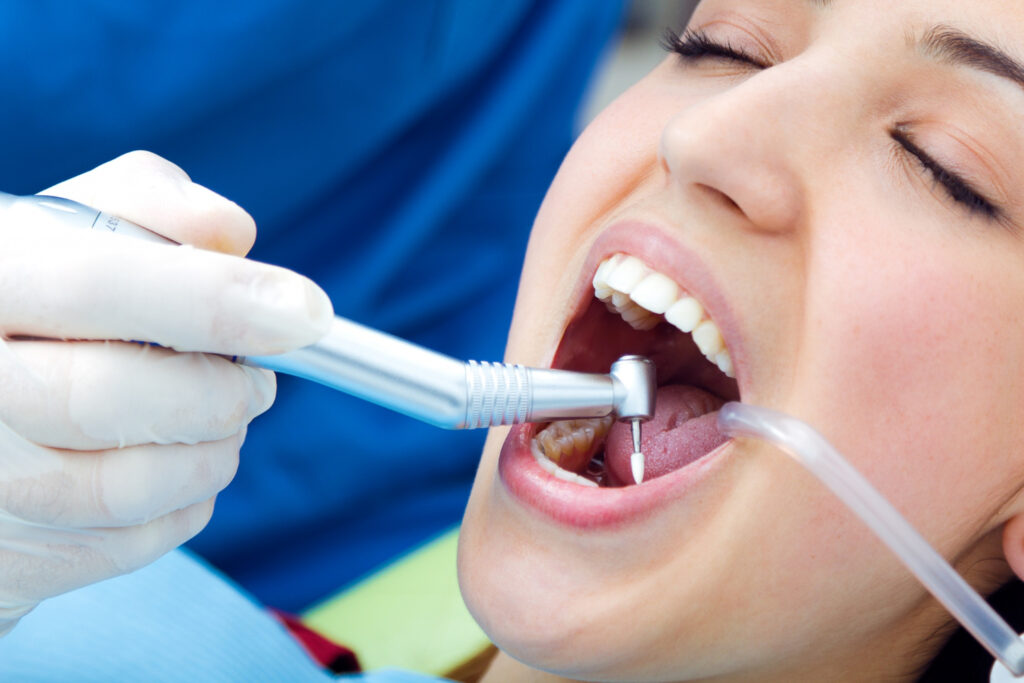
A healthy smile is an important part of your overall well-being, but sometimes a tooth may become damaged, infected, or problematic and require removal. While the idea of a tooth extraction may sound concerning, modern dental techniques have made the procedure safer, more comfortable, and more predictable than ever before.
At Sapphire Dental Centre, we understand that every patient has unique concerns when it comes to dental treatment. Our goal is to provide gentle, personalized care while helping you understand why a tooth extraction may be recommended and what you can expect throughout the process.
What Is a Tooth Extraction?
A tooth extraction is a dental procedure that involves removing a tooth from its socket in the jawbone. Dentists recommend extraction only when it is the best option for protecting your oral health and preventing further complications.
While preserving natural teeth is always a priority, there are situations where keeping a tooth may cause more harm than good. Removing a problematic tooth can help relieve pain, prevent infection from spreading, and create space for future dental treatments.
A consultation with an experienced dentist in your area can help determine whether extraction is the right solution for your specific dental condition.
Why Might a Tooth Need to Be Extracted?
There are several reasons why a dentist may recommend tooth extraction. Some of the most common include:
Severe Tooth Decay
When a cavity becomes too advanced and damages a large portion of the tooth structure, a filling or crown may no longer be enough to restore it. In such cases, removing the tooth may prevent infection and protect surrounding teeth.
Advanced Gum Disease
Healthy gums support your teeth and keep them stable. However, advanced periodontal disease can weaken the tissues and bone that hold teeth in place. If a tooth becomes severely loose, extraction may be necessary.
Impacted Wisdom Teeth
Wisdom teeth often do not have enough space to grow properly. Impacted wisdom teeth can cause pain, swelling, infection, or damage to nearby teeth. Wisdom tooth extraction is commonly recommended when these issues occur.
Dental Trauma
Accidents or injuries can sometimes cause severe tooth damage. If a tooth cannot be repaired through restorative treatments, extraction may be the safest option.
Orthodontic Treatment
In certain cases, tooth removal may be recommended before orthodontic treatment to create enough space for proper alignment and a healthier bite.
Types of Tooth Extraction Procedures
Tooth extractions generally fall into two categories:
Simple Extraction
A simple extraction is performed when the tooth is visible above the gum line. The dentist loosens the tooth and carefully removes it using specialized instruments. This procedure is typically straightforward and performed under local anesthesia.
Surgical Extraction
A surgical extraction may be required when a tooth is not easily accessible. This can occur with impacted wisdom teeth, broken teeth below the gum line, or teeth with complex root structures.
During a surgical extraction, the dentist may make a small opening in the gum to safely remove the tooth. Your dental team will explain the procedure beforehand and answer any questions you may have.
What Happens During a Tooth Extraction?
Before the procedure begins, your dentist will examine your tooth and surrounding tissues. X-rays may be taken to understand the tooth’s position, roots, and nearby structures.
Local anesthesia is used to numb the area, helping ensure you remain comfortable during the extraction. Many patients feel pressure during the procedure but should not experience sharp pain.
Once the tooth has been removed, your dentist will provide instructions to help protect the extraction site and support proper healing.
How to Prepare for a Tooth Extraction
Preparing ahead of time can make your appointment experience smoother. Before your extraction, consider:
- Informing your dentist about any medications or medical conditions
- Following any instructions provided before the appointment
- Arranging transportation if sedation is being used
- Planning soft foods for the first few days after treatment
Your dentist will provide personalized guidance based on your procedure and overall health.
Recovery After Tooth Extraction
Healing after a tooth extraction varies from person to person. Some mild swelling, tenderness, or discomfort is normal during the first few days.
To support recovery, follow these tips:
- Avoid disturbing the extraction site
- Follow your dentist’s cleaning instructions
- Eat soft foods temporarily
- Avoid smoking or activities that may delay healing
- Use recommended medications as directed
A blood clot naturally forms at the extraction site and plays an important role in healing. Protecting this area can help reduce the risk of complications.
When Should You Consider Replacing a Missing Tooth?
After a tooth extraction, your dentist may discuss options for replacing the missing tooth. Depending on your needs, solutions may include dental implants, bridges, or other restorative treatments.
Replacing missing teeth can help maintain proper chewing function, prevent shifting of nearby teeth, and support long-term oral health.
Your dentist can recommend the best option based on your smile goals, oral condition, and budget.
Choosing Comfortable Tooth Extraction Care
If you need a tooth extraction in your area, choosing a dental clinic that prioritizes patient comfort and safety is essential. At Sapphire Dental Centre, our team focuses on providing compassionate care and clear communication throughout every step of treatment.
We understand that dental procedures can feel stressful, which is why we take the time to explain your options and make your experience as comfortable as possible.
Schedule Your Tooth Extraction Consultation Today
A damaged or infected tooth should not be ignored. Delaying necessary treatment can sometimes lead to increased discomfort and more complex dental problems.
If you are experiencing tooth pain, swelling, or concerns about a damaged tooth, contact Sapphire Dental Centre for a professional evaluation. Our team can help determine the best approach to restore your oral health and protect your smile.